
Tim Cook Leaves Apple: Biography, Career, and Contribution to the Company, Why He is Stepping Down

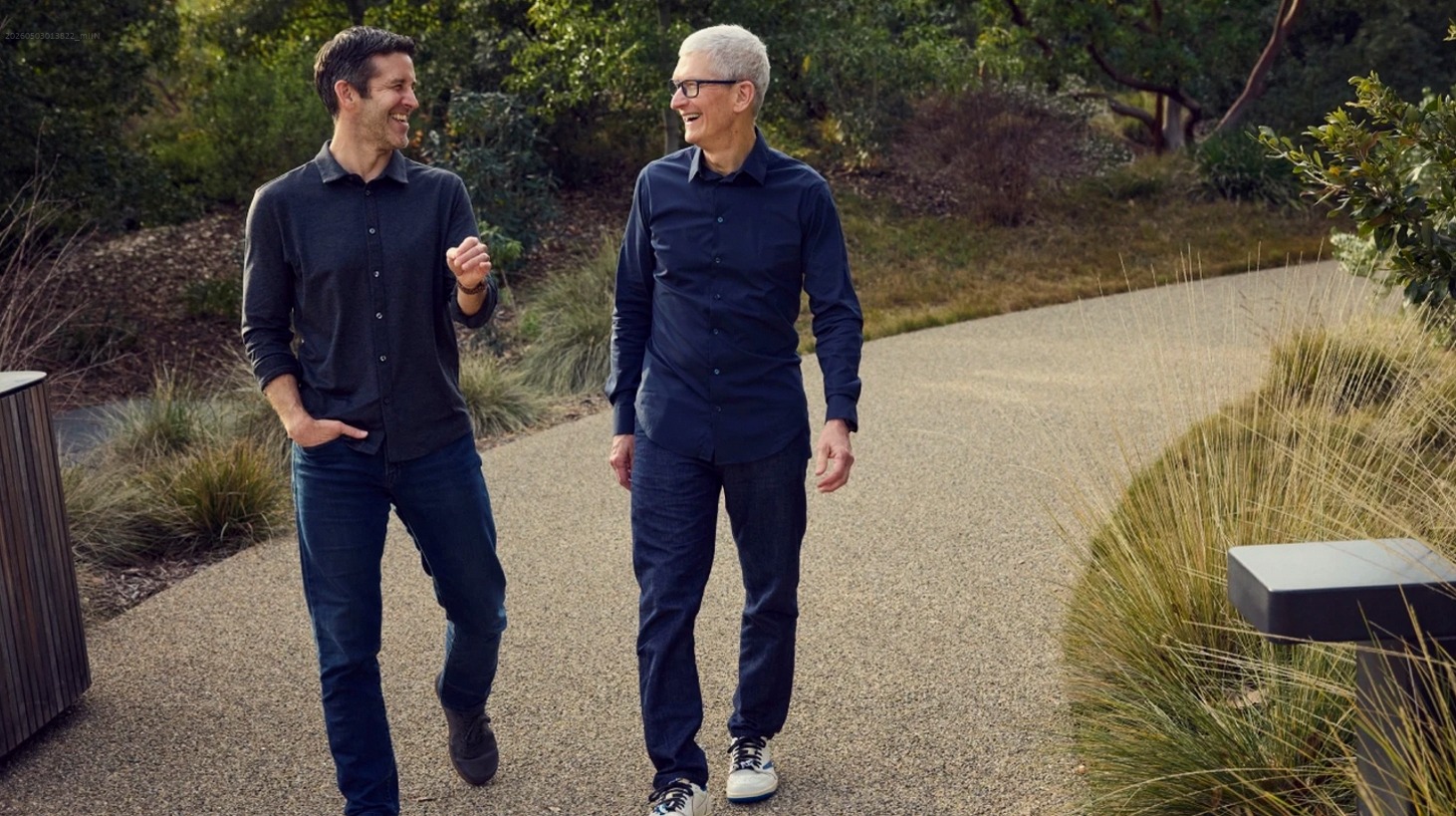
The results of 15 years at the helm. On the night of April 21, Tim Cook announced that he would step down as CEO of Apple – a position he has held since 2011, taking over from the company’s legend, Steve Jobs. His successor will be John Ternus – an engineer with 25 years of experience at the company, who previously oversaw the hardware division.
However, Cook is not leaving Apple: he will remain as CEO until the end of summer and will transition to the role of chairman of the board of directors on September 1. So, it will be Ternus who will shine at the fall presentation of new Apple devices.
Tim Cook is leaving at the peak – this is not a story of resignation due to failures. Under his leadership, Apple has achieved outstanding success: in 15 years, its capitalization has grown tenfold and reached almost four trillion dollars. But it’s not just about economic success – it’s unknown if products like the Apple Watch and AirPods would have appeared under Jobs. Even the President of the United States, Donald Trump, reacted to Cook’s departure with the highest praise: 💬 «I’ve always been a big fan of Tim Cook and Steve Jobs, but if Steve hadn’t left this planet so early and continued to run the company instead of Tim, the company would certainly have done well, but it wouldn’t have come close to achieving the results it has achieved under Tim.»
With Cook’s departure, an entire era of Apple comes to an end, and it’s a great opportunity to recall his achievements in the world’s most valuable company. However, it’s worth starting with Tim’s early days within the corporation.
How Tim Cook Ended Up at Apple
In the late 90s, Apple was experiencing managerial chaos. Dozens of devices were in development simultaneously, the company lacked a clear release strategy, and its financial position was quite shaky. Upon his return in 1997, Jobs swiftly cut the lineup of questionable products and focused on the first iMac. However, to streamline business processes, a person was needed to take charge of the operational side.
Jobs brought in such a person in 1998 – Tim Cook, a former IBM executive responsible for production and logistics. He took on the same role at Apple. Cook optimized supply chains, reduced costs, and essentially transformed Apple’s production into a perfectly tuned mechanism, while Jobs worked meticulously on the products.
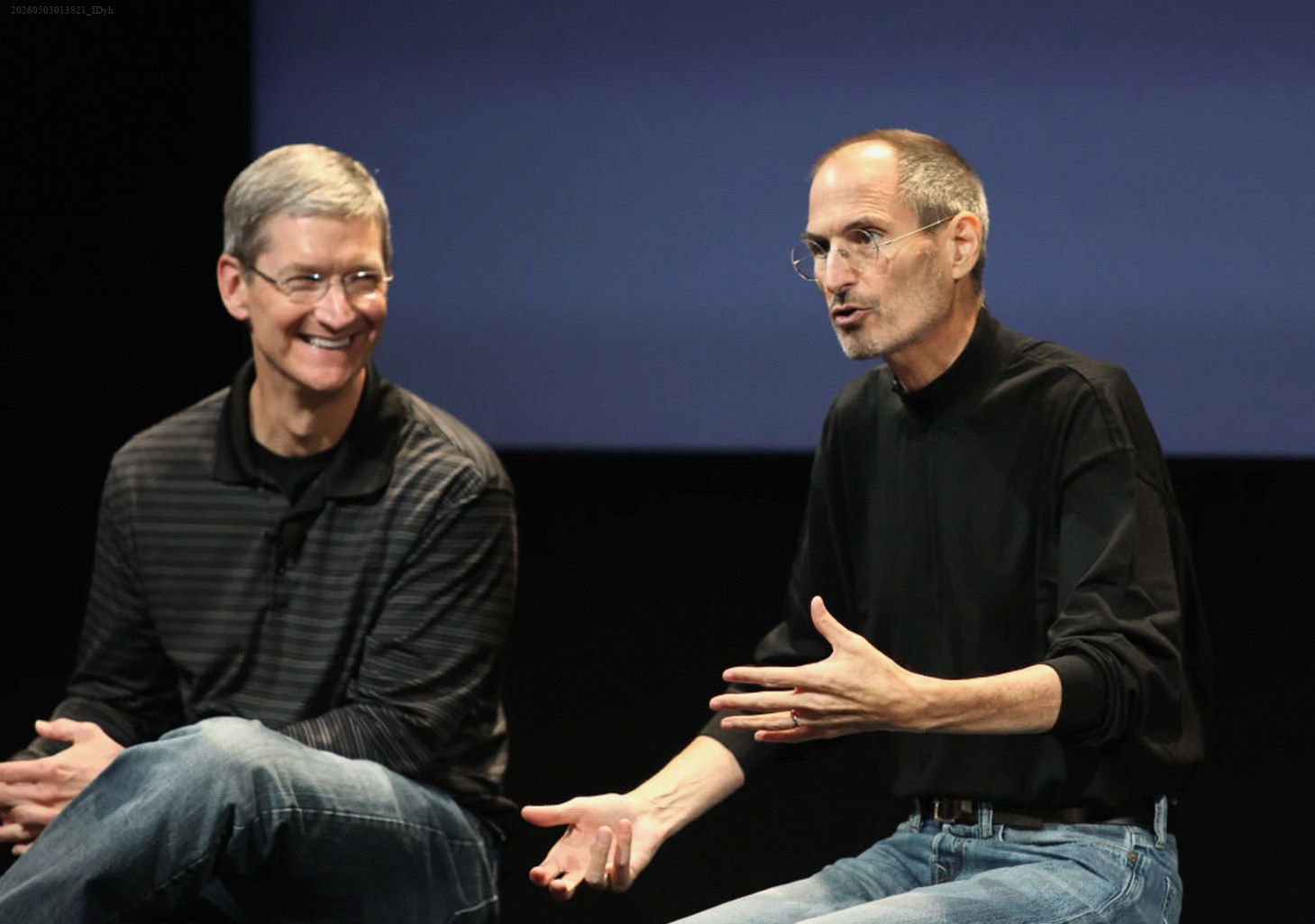
Over time, trust in Cook only grew. In 2004, he already temporarily acted as CEO during Jobs’ illness, and in 2011, he became his official successor.
Developed the ecosystem, went against Jobs’ ideas
Having gained control of the company, Cook bet not only on devices but also on the ecosystem of services. For example, under his leadership, the Apple Pay mobile payment service, Spotify’s biggest competitor – Apple Music, and the Apple TV+ streaming platform with its own original content (such as «The Morning Show» and «Ted Lasso») emerged. Of course, these are not all the achievements under Cook, but the scale is evident.
By the end of the 2010s, Apple had transformed not just into a hardware manufacturer, but into a full-fledged service ecosystem.
Interestingly, some of Cook’s key decisions directly contradicted Jobs’ views. Steve gave the advice: «Never ask what I would do in your place,» and Tim definitely took those words to heart. This is evident in some of his decisions.
For instance, in 2007, Jobs openly mocked styluses during the presentation of the first iPhone, saying that if you need a stylus, you’ve already lost, and the best interface is already at the user’s fingertips. Nevertheless, in 2015, the Apple Pencil was released, which became a popular accessory for the iPad.
Jobs held a similar opinion regarding small tablets. He called them «too small to compete with the iPad.» However, under Cook, just a year after Jobs’ death, Apple released the iPad mini, which turned out to be a successful product.
A similar story unfolded with smartphones. Jobs disliked large screens, but under Cook, the iPhone lineup gradually grew from Plus models to the Pro Max format.
Apple Introduced Several New Products
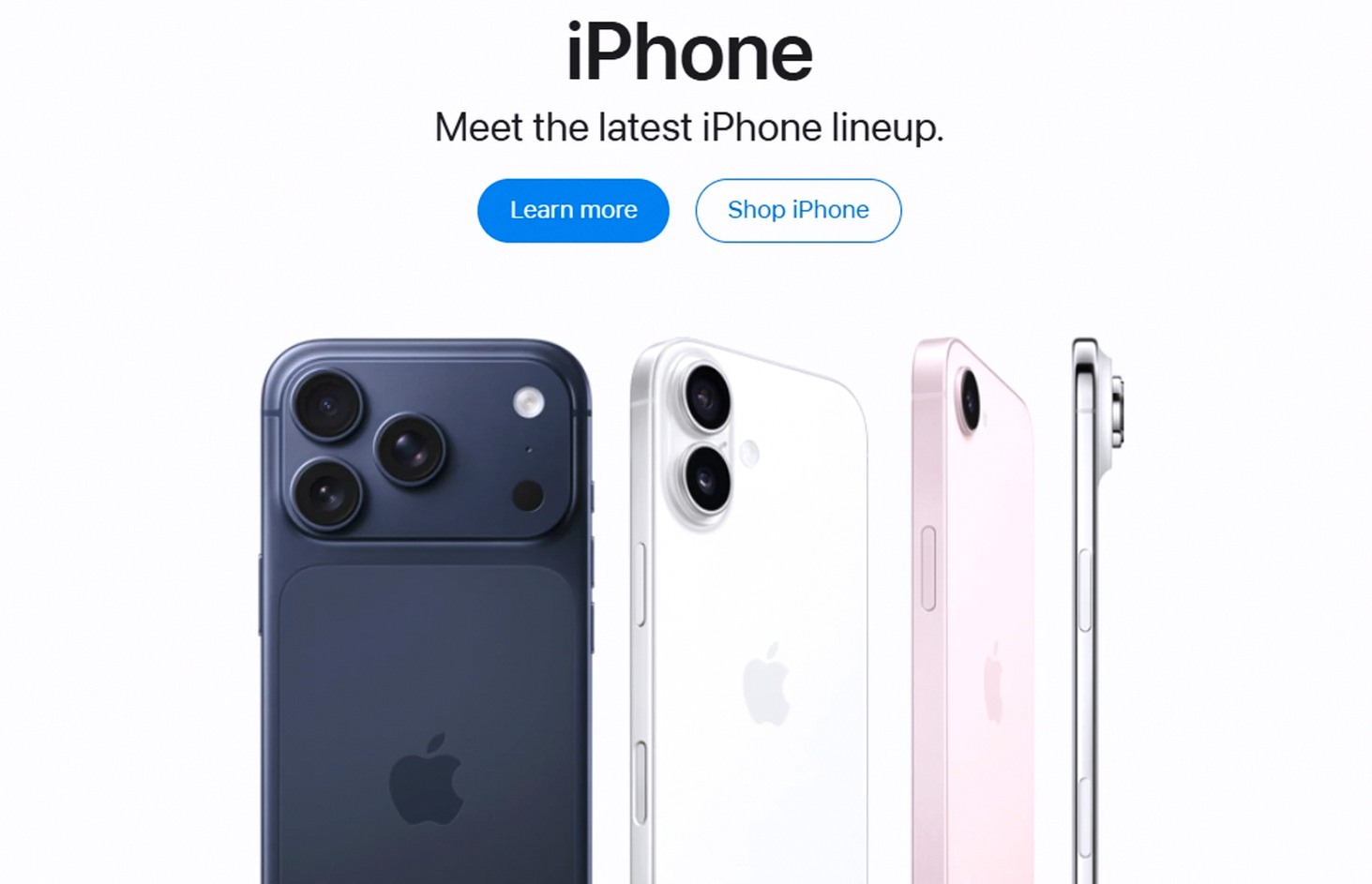
Although under Cook, Apple did not create a new revolution in the gadget market similar to the launch of the iPhone, the corporation did not limit itself to just developing existing devices.
During his tenure, the following were introduced:
-
the first wearable «Apple» gadget, the Apple Watch,
-
the best-selling headphones in the world, the AirPods (which led to the abandonment of the 3.5-mm jack, sparking a wave of criticism, but soon all competitors were copying this decision),
-
entry into the augmented reality glasses market with the Apple Vision Pro.
He also did not hesitate to shut down projects if they did not meet expectations. The most notable example is the cancellation of the Apple Car after years of development, on which about $10 billion was spent.
Bet on Proprietary Chips
One of Cook’s key decisions was to abandon Intel chips in Macs. Incidentally, the future CEO of the corporation, John Ternus, played a major role in implementing this task.
In 2020, Apple introduced the first Mac with the M1 chip and began a large-scale transition to its own Apple Silicon architecture. To put it simply, this allowed for increased performance, reduced power consumption, and a unified ecosystem. However, such improvements deserve more than one sentence, so let’s quote Apple’s leading expert, Ming-Chi Kuo, who further highlights this technical achievement among the new CEO’s merits:
💬 «The most important step John Ternus has taken in recent years is leading the transition of the Mac from x86 (Intel) to ARM (Apple Silicon). Executing a full transition of the entire stack—from hardware to software and the developer ecosystem—all at once and turning it into a commercial success required a very high level of execution and tight cross-functional coordination. Without this, there would be no success of today’s MacBook Neo and the advantage Apple now has as it prepares for the era of AI devices.
The transition of the Mac to Apple Silicon was a systemic and platform-level process, essentially a brain transplant. At Apple, no one has more experience managing such large-scale changes than John Ternus. This is exactly what Apple needs for the next stage of artificial intelligence development on devices.»
In simpler terms, today Apple fully controls its key technologies—from hardware to software.
Scaled the business and brought Apple to MLS and Messi
But let’s return directly to Tim Cook. If Jobs was the face of the products, then Cook became the architect of scale. Under his leadership, Apple brought supply chains to a level where hundreds of millions of devices are delivered worldwide annually without major disruptions. The number of active devices exceeded 2.5 billion, and the corporation learned to effectively use production scale to reduce costs without compromising quality and expanding the user base.
Examples are not far to seek – now consumers have iPads with MacBook chips, and the MacBook lineup was recently expanded with the Neo – an affordable model featuring an iPhone 17 chip.
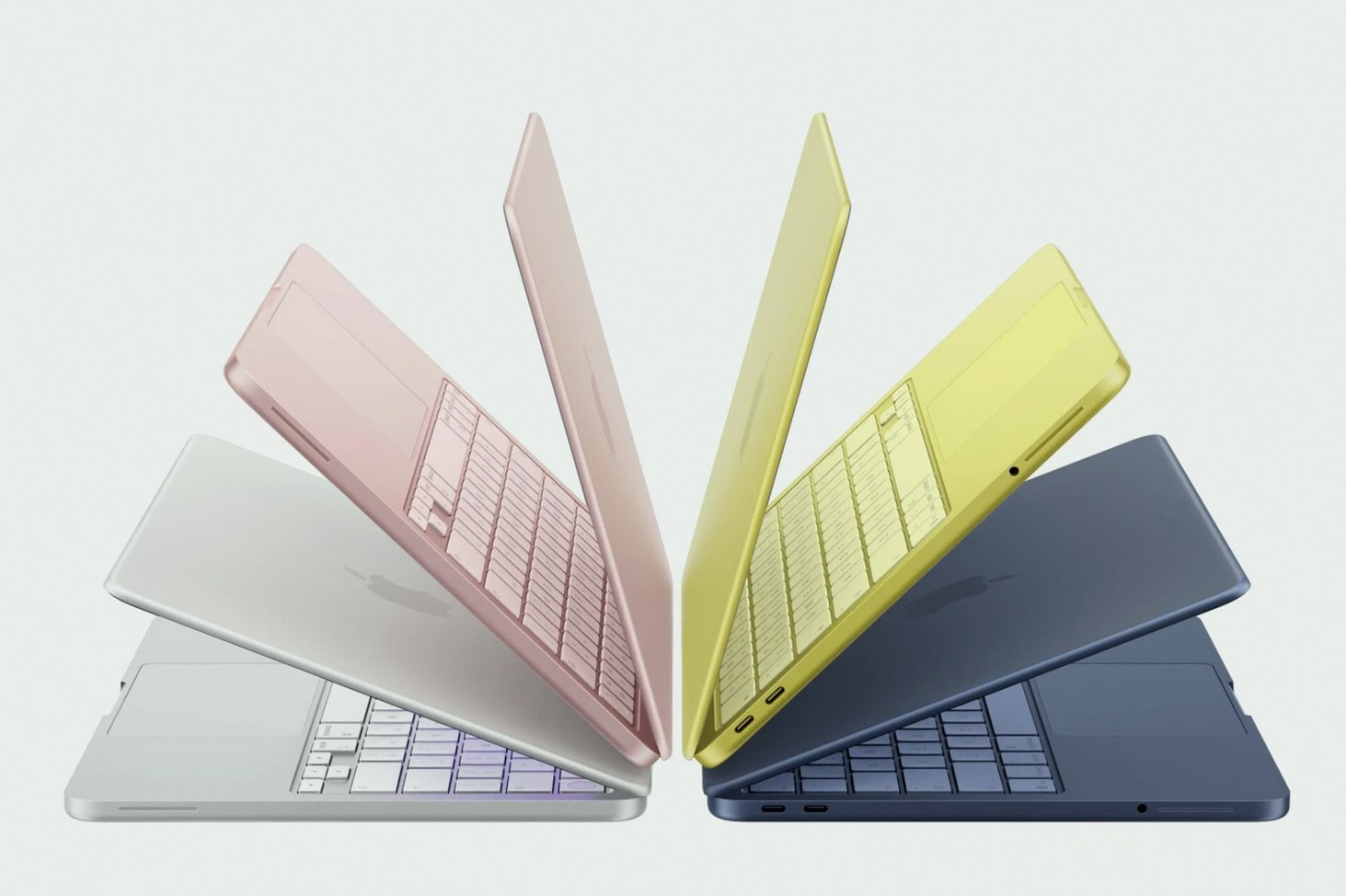
It is worth considering that Cook’s successes were achieved in a much more complex geopolitical reality than during Jobs’ time. He not only strengthened Apple’s position in the crucial Chinese market but also skillfully adapted to U.S. trade restrictions by relocating some production to India and the U.S. With such targeted solutions, the company reduced risks and did not lose key markets.
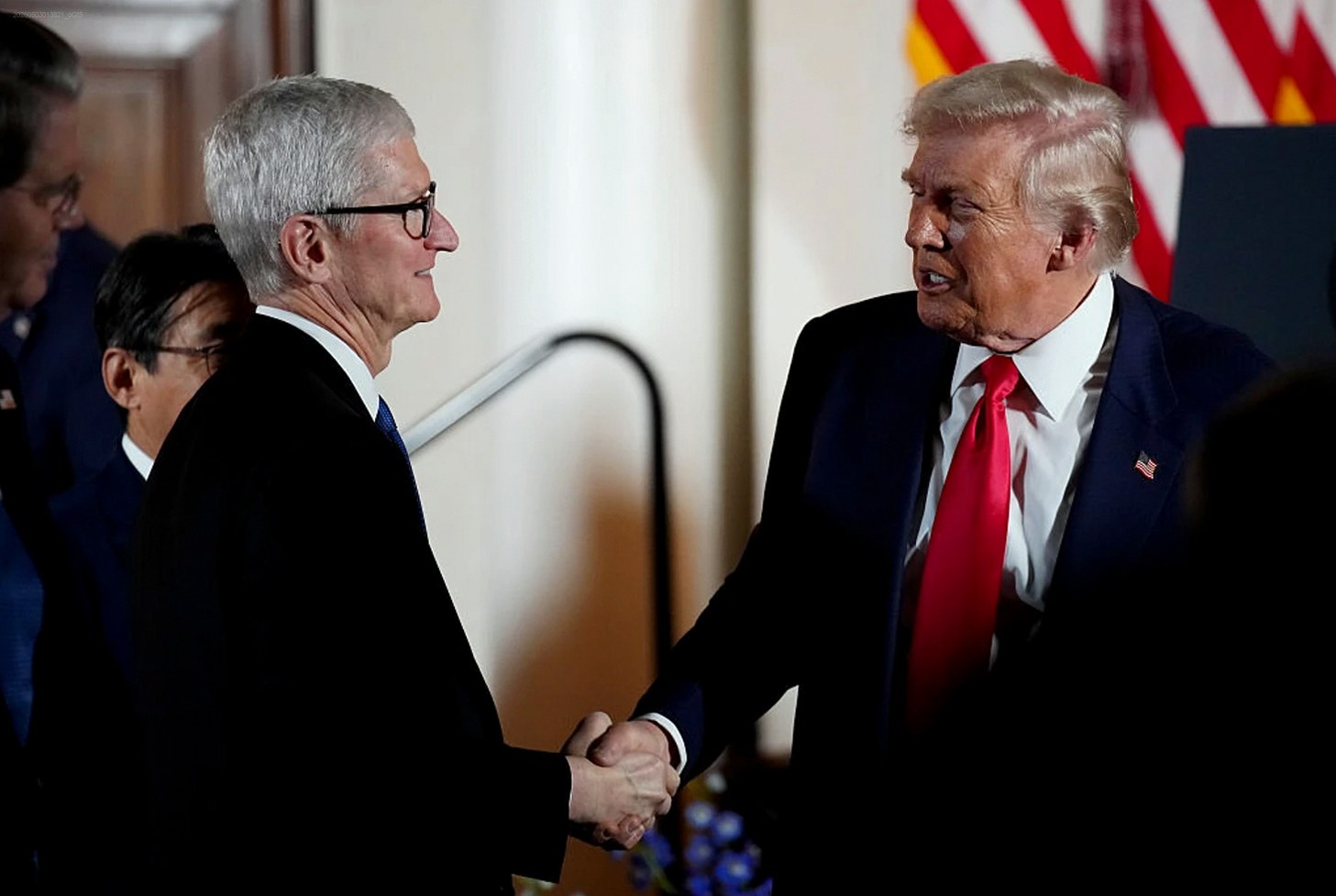
As usual, money speaks the loudest. Once, it was a successful company with a capitalization of «only» $300 billion. Under Cook, a different kind of «scaling» occurred – into a global technology giant with a capitalization of up to $4 trillion.
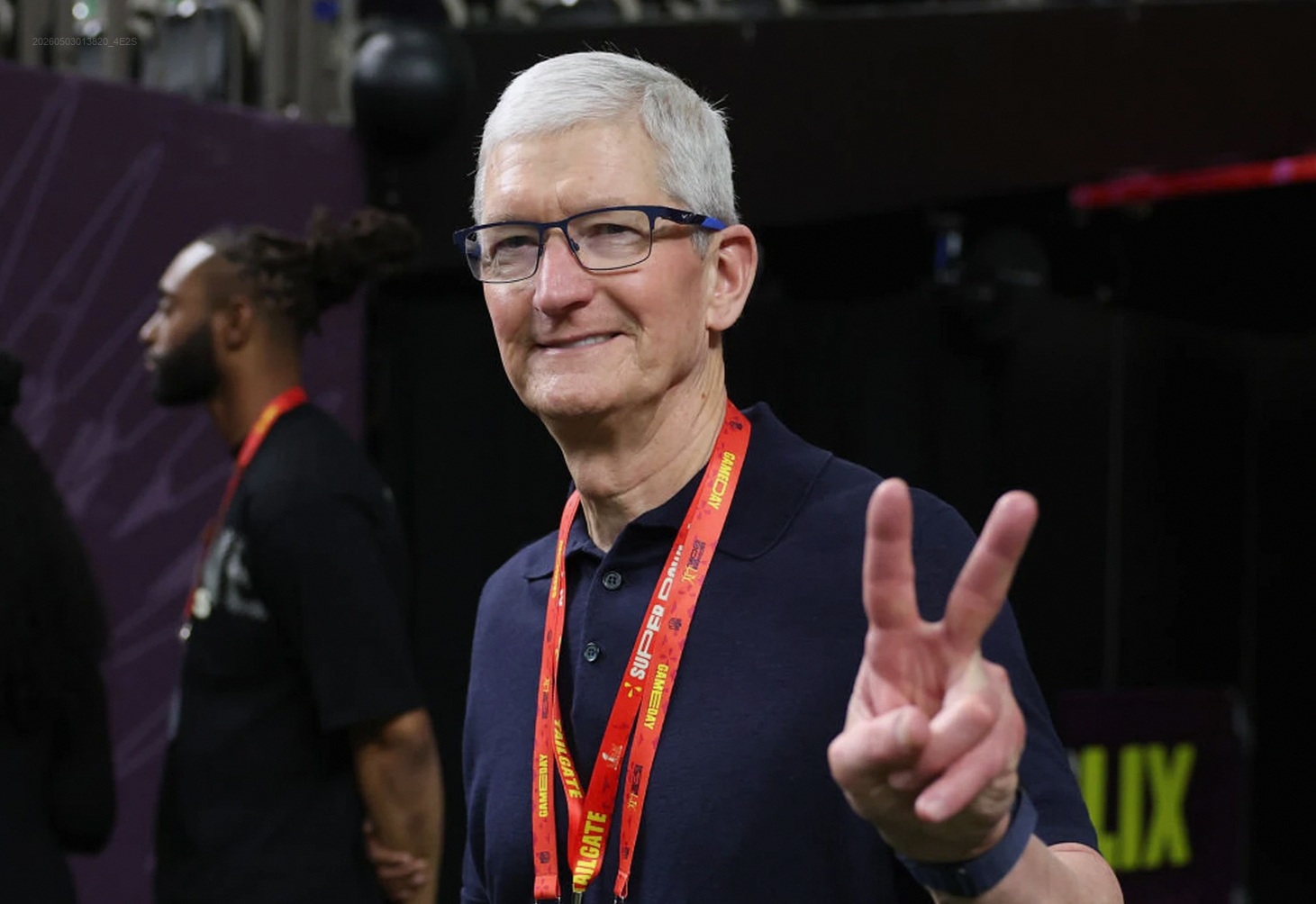
Under Cook, Apple also began to enter the sports broadcasting arena. A major contract was signed with MLS a few years ago – and from 2022 to 2032, MLS can only be legally watched on Apple TV+. The company has full exclusivity in all countries worldwide: from broadcasts to club content, as well as the ability to produce documentaries with Messi and use his image. The corporation’s contract with MLS amounts to 259 million dollars per year.
«I love sports. It inspires me. A touchdown in the last minute, a final shot into the basket at the same time as the siren. In sports, you feel the best in people. For at least a couple of minutes, no one thinks about politics and what divides people, and they just watch the match,» Cook himself said.
After that, Apple entered Formula 1: it started broadcasting races and simultaneously produced a namesake mega-successful film with Brad Pitt in the lead role and dozens of cameos from real racing superstars – 600+ million in box office revenue, 4 Oscar nominations, and a statuette for Best Sound.
What’s next for Apple and Cook
Tim Cook will remain in the position of executive chairman of Apple’s board of directors. Likely, he will continue to do what he does well: help the company navigate political barriers and improve supply chains. Only time will tell what changes await Apple under the leadership of an engineer, rather than an accountant.
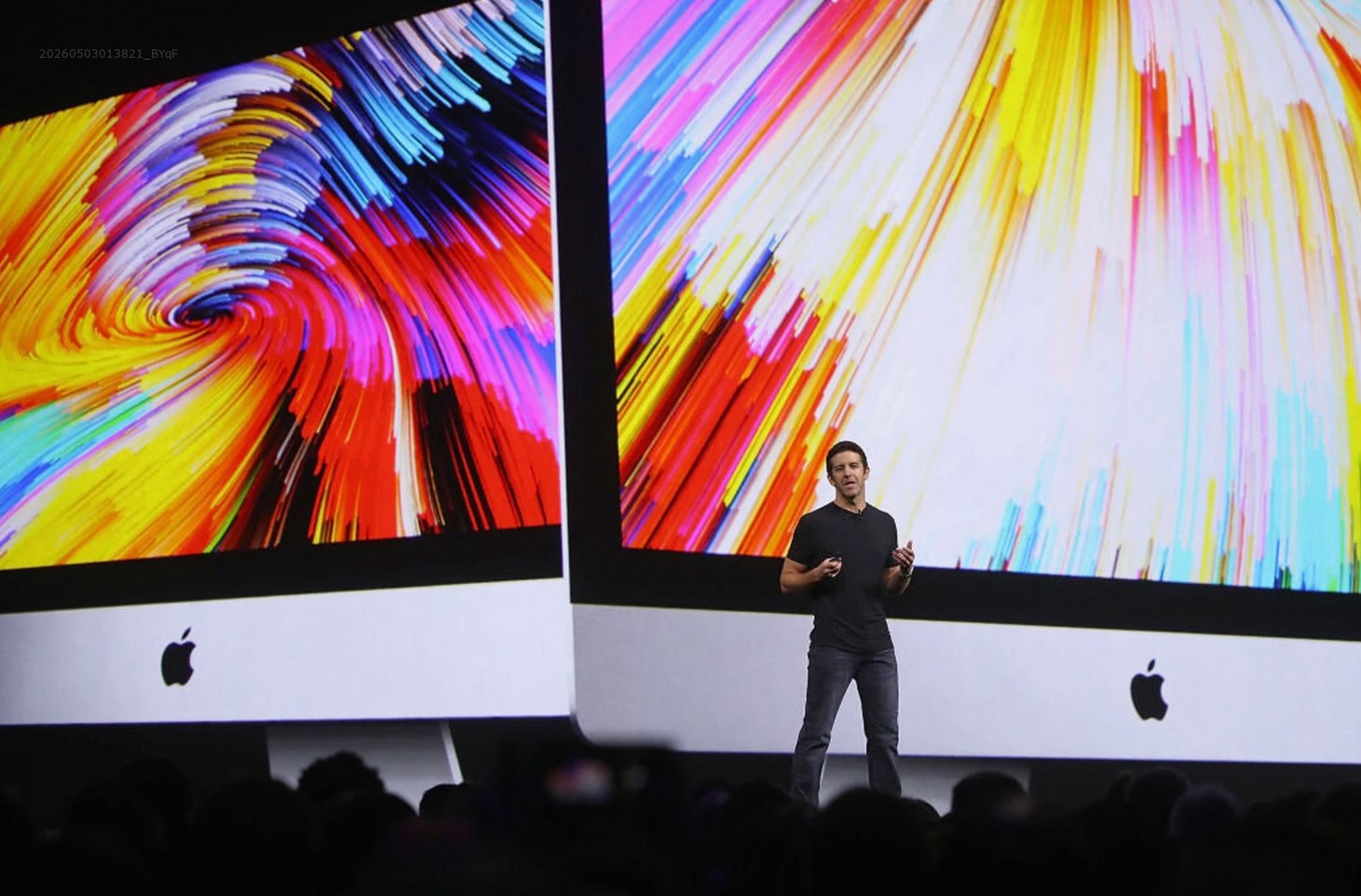
According to the latest data from Bloomberg, Apple has chosen John Ternus as its new CEO because the company believes he can rethink the product line and restore Apple’s leadership in innovation. In particular, it was he who strongly recommended to the management to release the hit MacBook Neo. The publication’s sources also believe that Ternus is much more decisive than Tim Cook and adheres to a centralized approach. While Cook favored collegial decision-making on key products, Ternus will return to Steve Jobs’ approach – being the sole decision-maker.
Nevertheless, the new CEO’s plans will only become known after September 1, when John Ternus takes over as Apple’s CEO.
* *
