
What do a hockey helmet and a cosmonaut’s chair have in common? — A Thread from the World

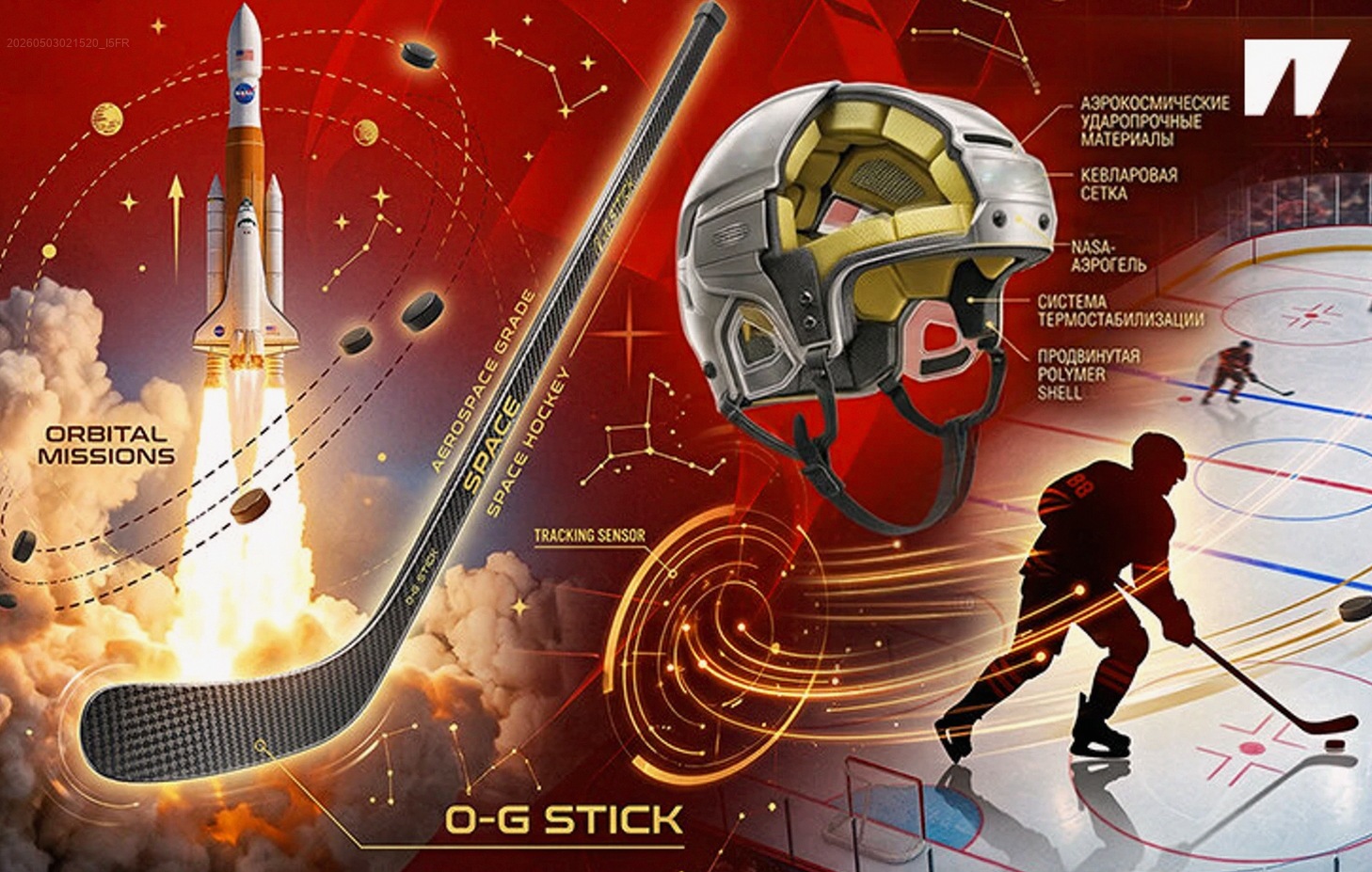
Beyond the atmosphere of planet Earth, space is a place where humans cannot survive without technology. Conquering this environment required a great deal of innovation. And as often happens, highly specialized innovations were scaled and transformed many seemingly unrelated fields, far from their original application.
As part of Space Week in Russia, in collaboration with Kinopoisk, we explore how space materials have influenced the development of hockey.
Carbon fiber has revolutionized sticks and all equipment
The desire to go beyond Earth’s atmosphere required the creation of new materials. Because every gram matters in space flight — therefore, the material must be lightweight. On the other hand, it must be strong and heat-resistant. We need something lighter than aluminum but stronger than steel.
The result was that the search for materials for space stimulated the development of new polymers. Including carbon fiber.
The idea of carbon fiber has existed since the late 19th century and the developments of Thomas Edison, but in the era of space exploration, the material turned into ubiquitous carbon — very lightweight, strong, yet flexible.
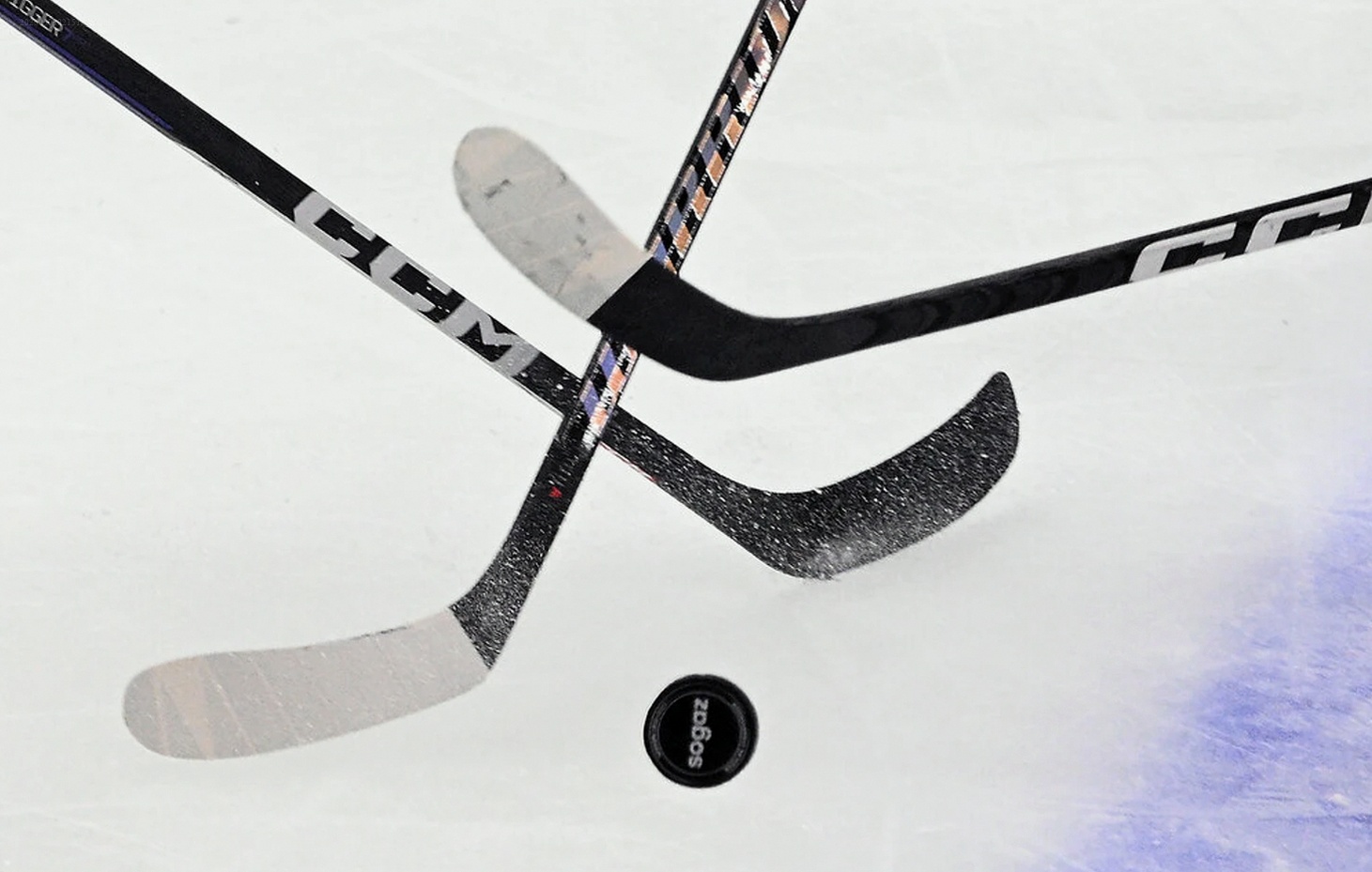
In the late 1990s and early 2000s, carbon fiber entered hockey as the primary material for making sticks. They turned out to be much lighter than wooden ones, but provided control over the puck that was not present in the previously popular aluminum sticks. Thanks to the properties of carbon fiber, shots became more powerful and whip-like.
The epoxy resins that bond the layers of carbon fiber in the production of modern sticks are also a product of the space exploration era.
Carbon fiber is also used in modern skates — the boots themselves are made from it.
Protection in helmets — an heir to the seats

The foam, which cushions potential impacts of a puck on a helmet or a head hitting the ice, was originally developed by NASA for use in spacecraft and aircraft seats.
Now, it not only protects hockey players but also, for example, American football and baseball players. Football players’ shin guards are also made using this material.
Additionally, a thin plastic film is applied to visors to reduce scratches. This film is a technology developed by Ted Widewen from NASA, who conceived it as part of a water purification system. He proposed using it to protect the filter membrane.
Water Purification Systems
There is no drinking water in space, so it must be brought from Earth. Therefore, there is a need to maximize the potential of water, such as converting technical water into drinking water. Or converting urine into water.
As a result, the space industry has been actively engaged in improving purification systems, including those based on reverse osmosis. The same system is used in preparing the water from which high-quality hockey ice is created. Reverse osmosis removes excess salts and impurities from the water to ensure the ice is of the highest quality.
Wearable Technologies
Modern athletes strive to obtain as much information as possible about how their bodies handle stress and recover. To a large extent, modern wearable technologies were developed by NASA researchers who, in the 1970s, needed to monitor astronauts’ vital signs during space mission preparations. Primarily, this involved tracking heart rate.
The problem was that, at the time, electrocardiographic electrodes could not function if the person was moving. Additionally, they required a special paste to be applied to the skin. However, with a NASA grant, electrodes were developed that were unaffected by movement, temperature, sweat, and other skin secretions.
Over time, these electrodes were further developed and used not only for astronaut training.
Training Shoes for Off-Ice Workouts
When NASA investigated the Columbia shuttle disaster, which broke apart during re-entry in 2003, scientists utilized and improved photogrammetry techniques to better understand the incident. This led to the emergence of new visualization and image analysis technologies.
Later, Nike employed these technologies to study athletes’ movements and develop more comfortable and ergonomic footwear for them.
Anti-Gravity Treadmill
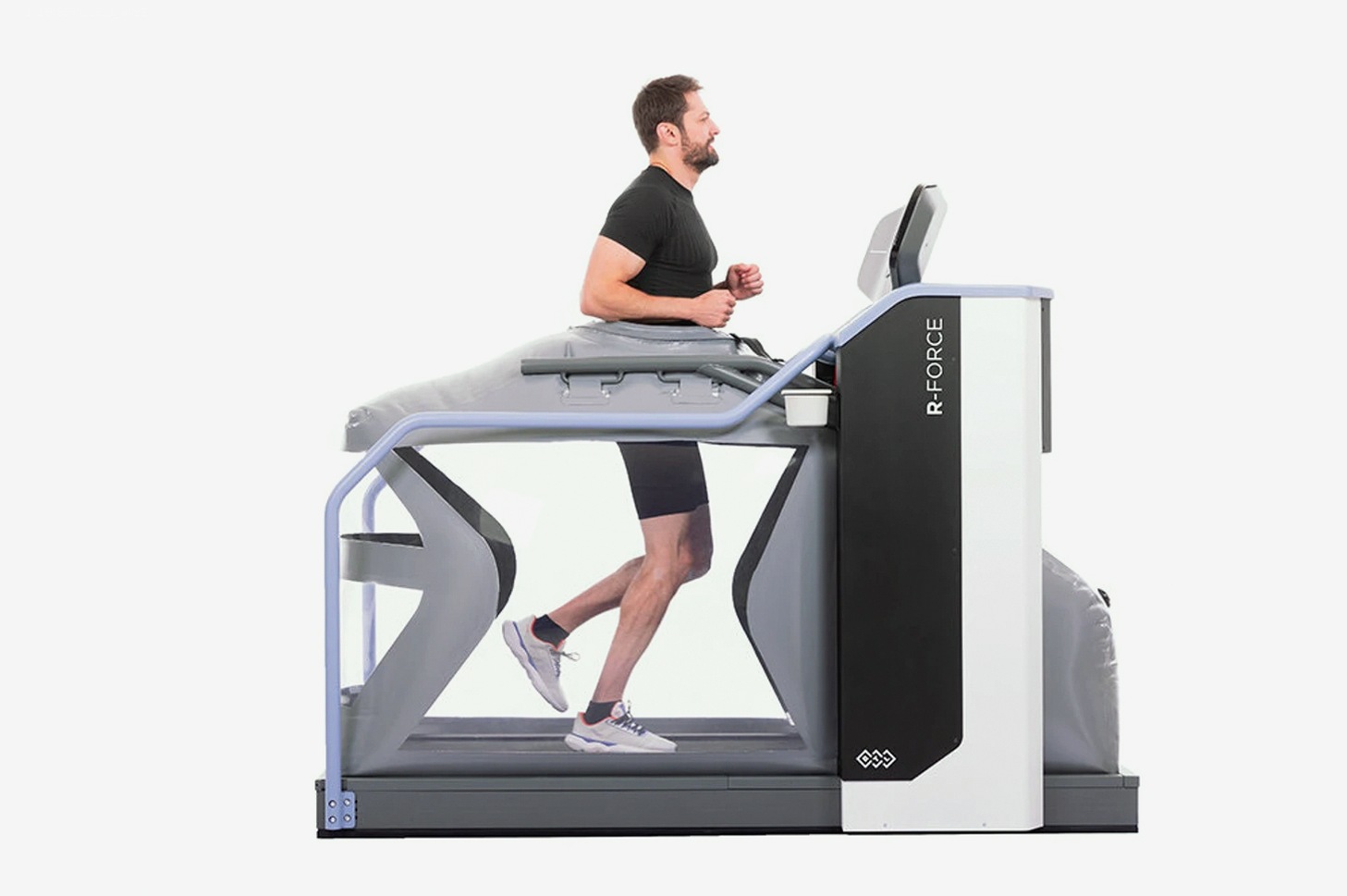
This technology was developed to allow astronauts to train their muscles in zero gravity conditions – and as a result, a tool emerged that helps recover from injuries. This is because these treadmills allow running with reduced impact. Many athletes have taken advantage of this opportunity. For example, hockey player Patrick Kane.
Advertisement 18+. LLC «KINOPOISK»
Erid: 2SDnjdifkgh

Informative, thank you
What does this have to do with tennis??
Superficial. Let’s have a separate article for each paragraph/section + the situation in the equipment market. At least there will be something to argue about in the comments
Photo on the cover: Oh my! You’re life!)
NASA doesn’t have any technologies, it’s an agency; technologies are with the contractor firms
The article is good. But they could have covered all sports, not just limited to hockey.